


26 Dec 4 Common Failures in Pipe Work and How the Right Wrench Prevents Them
Pipe work looks straightforward from the outside: turn, tighten, seal, repeat. But anyone who works with industrial piping knows it’s a system under tension. Pressure builds. Heat changes everything. Vibration creeps in. And one wrong move with the wrong tool can create failures that cost far more than the pipe itself.
Most pipe problems don’t come from the pipe. They come from the tools used on them.
Slipping That Damages the Pipe Surface
A wrench that slips is more than a nuisance. It scars the pipe, rounds the surface, and ruins the grip for the next attempt. Once the pipe is damaged, sealing becomes harder, joints become unreliable, and replacements become almost unavoidable. Slips usually happen because the wrench jaws can’t maintain bite under torque.
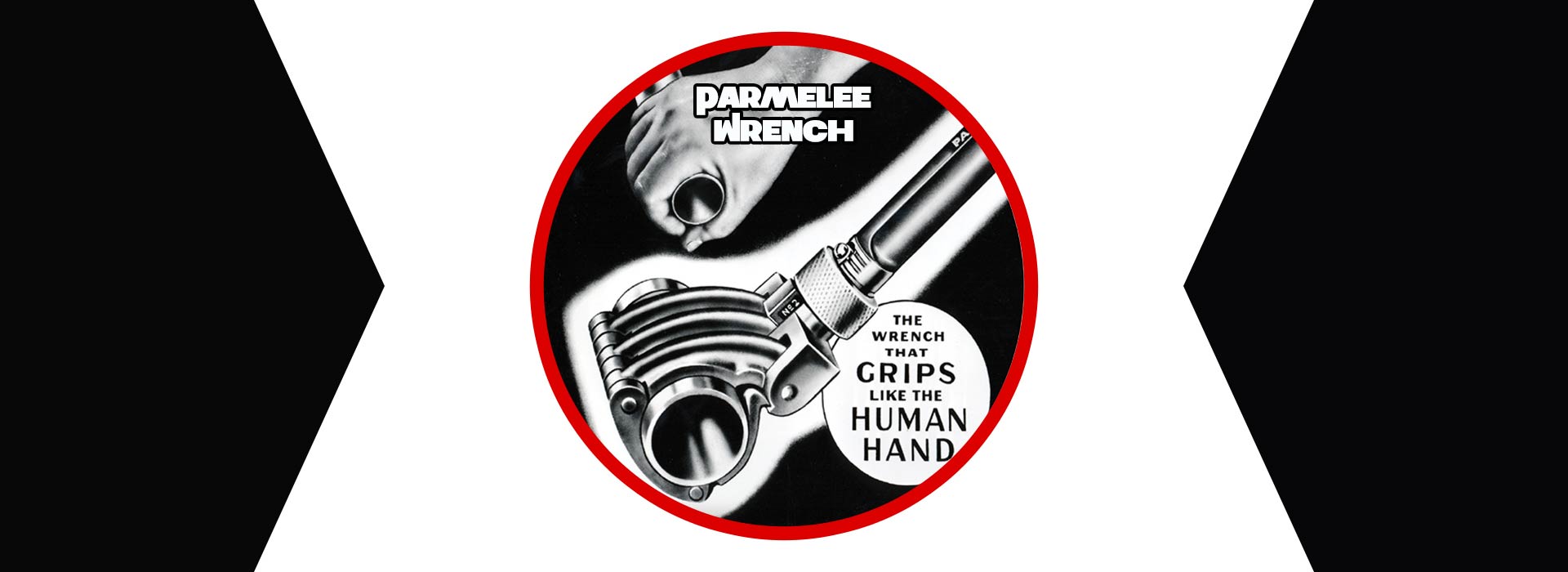
When a wrench is built for strong, stable grip geometry, the problem disappears. It locks onto the pipe instead of skating across it. The tool holds firm even when pressure rises, and angles get awkward.
A secure grip isn’t just convenient, it’s protection.
Over-Tightening That Destroys Threads
Many failures start with enthusiasm. Someone applies too much torque, the threads crack, and the joint is never the same again. Over-tightening weakens the connection, shortens the pipe’s lifespan, and sets the stage for leaks. The right wrench helps by controlling force, not encouraging brute strength.
Professionals rely on tools that distribute pressure evenly and give clear tactile feedback. A good wrench tells you when to stop, not by shouting, but by the feel of the turn. With the right tool, precision becomes natural.
Misalignment That Leads to Leaks
Pipes don’t fail instantly when misaligned. They fail slowly. Pressure finds the weak point, vibration widens the gap, and the leak arrives when you least expect it.
Misalignment often comes from tools that twist instead of rotating cleanly. A wrench without stability forces the pipe to shift as you work, creating stress at the joint.
This is why experts choose wrenches with:
- Jaws Designed To Hold True Under Heavy Torque
- Handles That Resist Side-Loading And Flex
- Balanced Weight That Keeps Movement Smooth
- Stable Contact Points That Don’t Roll Off Center
Alignment isn’t luck, it’s design.
Crushed or Deformed Pipe Walls
Thin-walled pipes are easy to deform, but even thicker pipes will collapse under uneven pressure from the wrong tool. Crushing the wall weakens the entire section, disrupts flow, and compromises safety.
The right wrench prevents this by spreading the force properly. Its jaws grip without digging. Its leverage feels controlled instead of aggressive. And its shape protects the pipe instead of pinching it.
A deformation-free pipe is a safe pipe.
Great Pipe Work Starts With the Right Tool
You can have perfect technique, perfect materials, and perfect planning, but if the wrench is wrong, the work suffers. Failures show up later, often when the stakes are highest.
The right wrench doesn’t just turn pipes. It prevents damage. It protects alignment. In pipe work, the tool is either your greatest ally or your biggest risk. Choosing wisely makes all the difference.